
Rainwater coming through your windows can be stressful. A small leak may not look serious at first, but it can quickly damage walls, floors, paint, and even furniture. If the problem stays for too long, it may also cause mold and bad smells inside your home.
Many homeowners notice window leaks during heavy rain and wonder why it happens. The good news is that most window leaks can be fixed once you find the real cause.
In this guide, we will explain why house windows leak during rain, how to spot the warning signs, and the best ways to fix the problem before it becomes worse.
At Safety Glass Repair, we help homeowners with window glass repair, glass replacement, window sealing, emergency glass repair, and other professional glass services that keep homes safe and dry.
Why Do Windows Leak During Rain?
Windows are designed to keep water outside. When rain enters your home, it usually means something is damaged, old, or installed the wrong way.
Sometimes the leak is easy to see. Other times, water may travel through hidden spaces before showing up on your wall or floor.
A leaking window is not always caused by the glass itself. The problem can come from the frame, seal, drainage system, or even the wall around the window.
Common Signs of a Leaking Window
Before fixing the issue, you need to know the warning signs. Here are some common clues that your window may be leaking:
- Water drops around the window frame
- Wet walls near the window
- Paint peeling or bubbling
- Mold or mildew smell
- Water stains on drywall
- Soft wood around the frame
- Drafts or cold air entering the room
- Fog between double-pane glass
If you notice any of these signs during rain, your window likely needs attention.
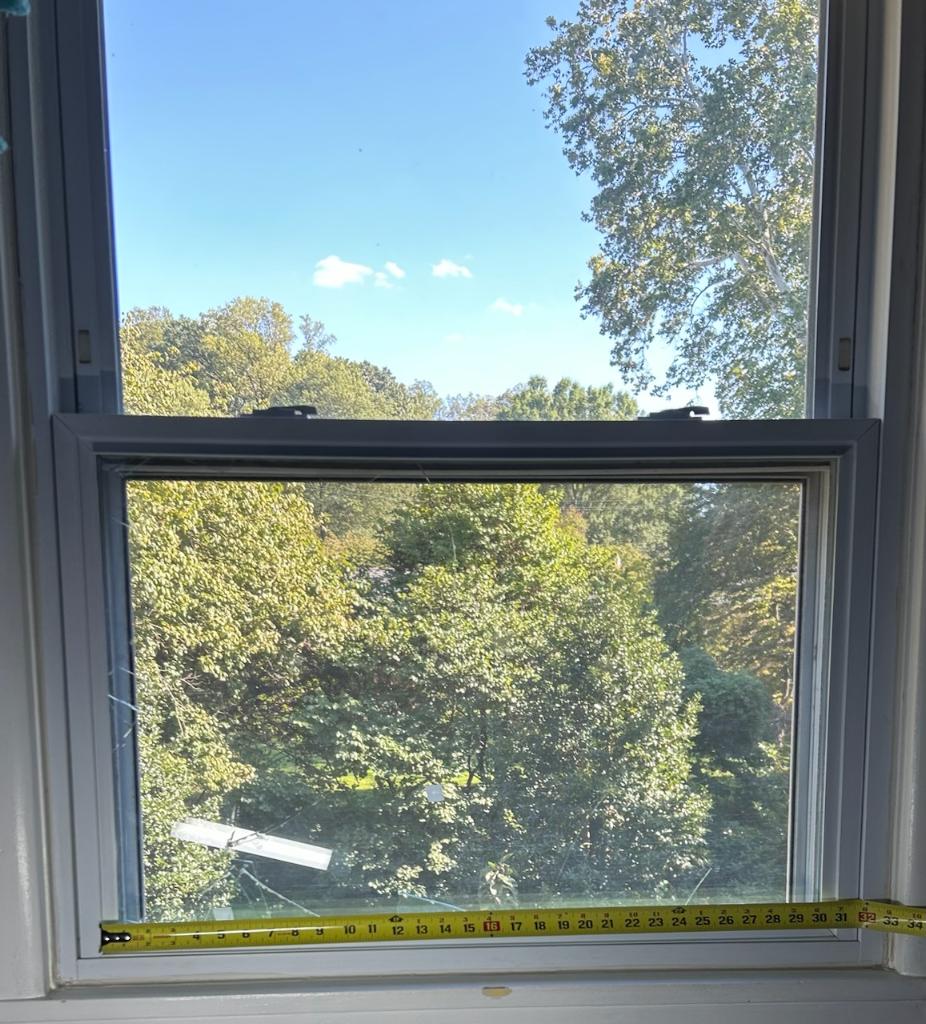
Main Causes of Window Leaks During Rain
1. Damaged Window Caulking
Caulking is the seal around your window frame. It blocks water and air from entering your home.
Over time, caulking can crack, shrink, or peel away because of heat, rain, and sunlight. Once gaps appear, rainwater can easily get inside.
This is one of the most common causes of leaking windows.
How to Fix It
Remove the old damaged caulk and apply a fresh waterproof exterior caulk around the frame. Make sure the area is clean and dry before sealing.
If the gaps are large or the frame is damaged, professional repair may be needed.
2. Broken Window Seals
Modern windows often use double or triple glass panes with sealed air spaces between them.
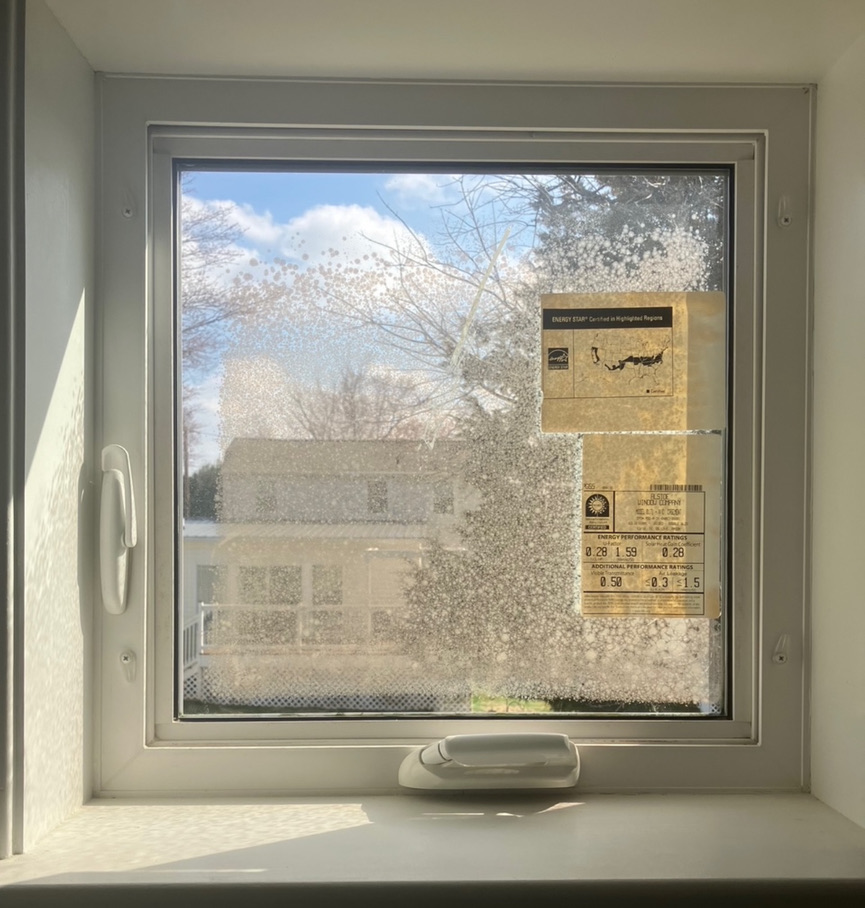
When the seal breaks, moisture enters between the glass layers. This can cause foggy glass and water problems during rainy weather.
Broken seals also reduce energy efficiency.
Signs of a Broken Seal
- Foggy glass
- Moisture trapped between panes
- Drafts near the window
- Water entering during storms
How to Fix It
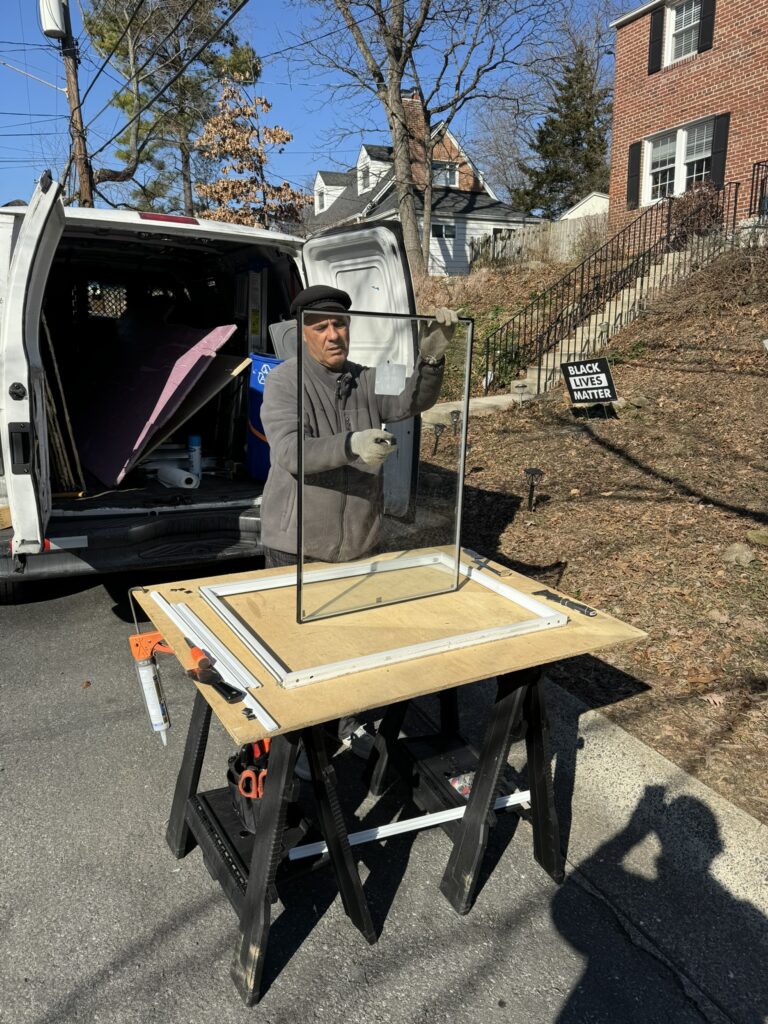
In many cases, the glass unit needs replacement. Professional glass replacement services can restore the window without replacing the whole frame.
At Safety Glass Repair, professional technicians can inspect the damage and recommend the best solution.
3. Clogged Window Drainage Holes
Most windows have small drainage holes called weep holes. These holes allow water to escape safely outside.
Dirt, insects, paint, and debris can block these holes over time. When water cannot drain properly, it may overflow into your home.
How to Fix It
Check the bottom track of your window for small holes. Use a small brush or wire to remove dirt and debris carefully.
Keeping these drainage holes clean can prevent future leaks.
4. Poor Window Installation
Even a brand-new window can leak if it was installed incorrectly.
Improper installation may leave gaps around the frame or create poor drainage paths for rainwater.
This problem is common in older homes or low-quality renovations.
Signs of Poor Installation
- Leaks soon after new window installation
- Uneven window frames
- Drafts around edges
- Water entering from corners
How to Fix It
A professional inspection is usually needed. Sometimes resealing works, but severe installation mistakes may require reinstalling the window properly.
5. Cracked or Damaged Window Frames
Window frames can weaken over time because of weather exposure.
Wooden frames may rot, while vinyl or aluminum frames can crack or bend.
Once the frame becomes damaged, water can easily enter through openings.
How to Fix It
Small cracks may be sealed temporarily, but badly damaged frames often need repair or replacement.
Replacing damaged parts early helps prevent larger structural problems later.
6. Roof or Siding Problems
Sometimes the leak may not come from the window at all.
Rainwater can travel from damaged roofing, gutters, or siding and appear near the window area.
This makes many homeowners think the window is leaking when the actual problem is above or beside it.
How to Fix It
Inspect nearby roofing, gutters, and exterior walls for damage.
If the source is hard to find, a professional inspection can help identify where the water is entering.
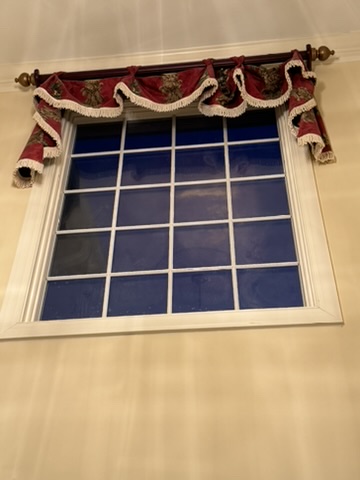
7. Condensation Mistaken for a Leak
Not all water around windows comes from rain leaks.
Indoor humidity can create condensation on glass surfaces, especially during temperature changes.
This is common in kitchens, bathrooms, and poorly ventilated rooms.
Signs of Condensation
- Water appears mainly in the morning
- Moisture forms directly on glass
- No leaking during dry weather
How to Fix It
Improve airflow inside your home by:
- Using exhaust fans
- Opening windows occasionally
- Running a dehumidifier
- Reducing indoor humidity
Why You Should Never Ignore a Window Leak
A small leak may seem harmless, but water damage spreads quickly.
Ignoring a leaking window can lead to serious home problems.
Mold Growth
Moisture creates the perfect environment for mold and mildew. Mold can damage walls and may affect indoor air quality.
Structural Damage
Water can weaken wood framing, drywall, insulation, and flooring over time.
Higher Energy Bills
Leaking windows allow air to escape, making your heating and cooling systems work harder.
Damaged Paint and Interior Walls
Water stains and peeling paint are common results of window leaks.
Fixing the issue early usually costs much less than repairing major water damage later.
Temporary Fixes for a Leaking Window During Rain
If rainwater is actively entering your home, you may need a quick temporary solution until professional repairs are completed.
Here are a few temporary fixes:
Use Waterproof Tape
Weatherproof tape can temporarily block small gaps around the frame.
Cover the Window Exterior
Plastic sheeting or waterproof covers can reduce water entry during heavy rain.
Place Towels Around the Leak
This helps absorb water and protect flooring.
Clear Drainage Holes
Removing debris from weep holes may quickly improve drainage.
Remember, temporary fixes do not solve the root problem permanently.
Professional Solutions for Window Leaks
Some leaks are simple, while others require expert repair.
Professional services may include:
- Window resealing
- Glass replacement
- Frame repair
- Waterproof caulking
- Full window replacement
- Emergency glass repair
- Storm damage repair
Experienced technicians can also inspect hidden water damage around the window area.
At Safety Glass Repair, homeowners can get reliable help for cracked glass, leaking windows, broken seals, and complete window repair services.
How to Prevent Window Leaks in the Future
Preventive maintenance can help you avoid costly repairs later.
Inspect Windows Regularly
Check frames, seals, and caulking at least twice a year.
Reapply Caulk When Needed
Old caulk should be replaced before cracks appear.
Keep Gutters Clean
Overflowing gutters can send water toward windows and walls.
Clean Window Tracks
Remove dirt and debris from drainage channels regularly.
Repair Small Problems Early
Tiny cracks and gaps can become major leaks during storms.
Upgrade Old Windows
Very old windows may no longer provide proper waterproof protection.
Energy-efficient replacement windows often improve both comfort and durability.
Best Types of Windows for Heavy Rain Areas
If you live in an area with strong storms or heavy rain, choosing the right windows matters.
Some window styles resist leaks better than others.
Casement Windows
These windows close tightly against the frame and usually provide strong weather protection.
Fixed Windows
Since they do not open, fixed windows often have fewer leak points.
Double-Hung Windows
Modern double-hung windows with quality seals can also perform well when properly maintained.
Always choose high-quality installation for the best results.
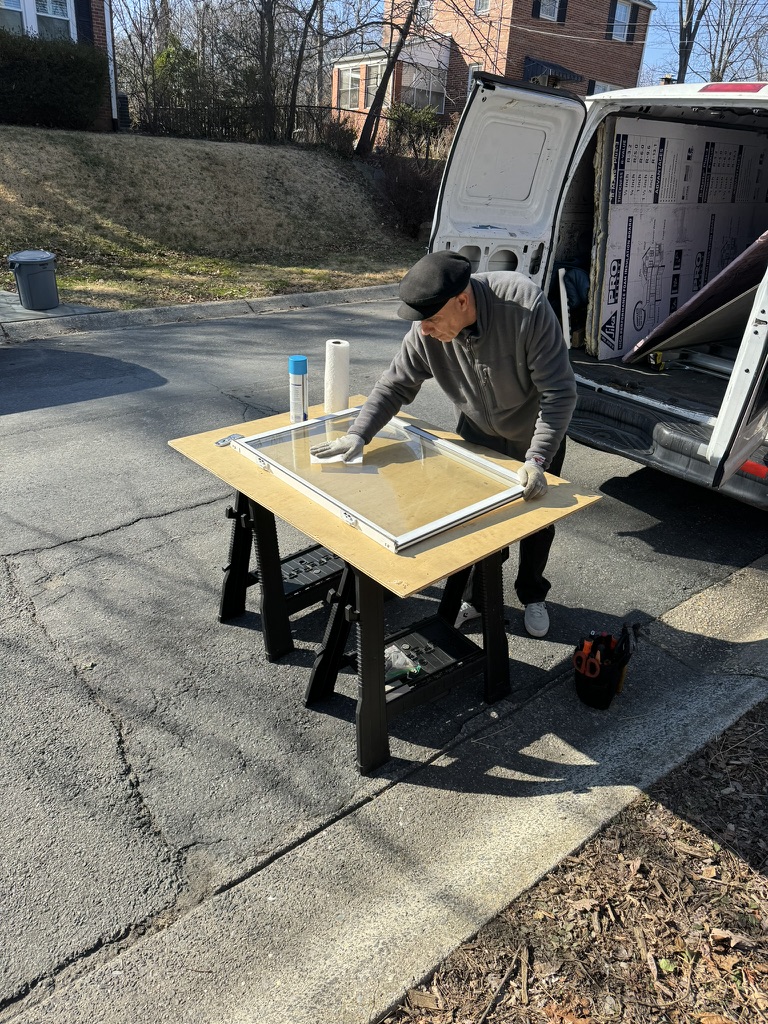
When Should You Replace a Window Instead of Repairing It?
Sometimes repair is enough. Other times, replacement is the smarter choice.
You may need replacement if:
- The frame is badly rotted
- Multiple leaks keep returning
- The glass is severely damaged
- Energy bills continue rising
- The window is very old
A professional inspection can help determine the most cost-effective option.
DIY Repair vs Professional Repair
Some homeowners try to fix leaking windows themselves.
Small maintenance tasks like cleaning drainage holes or applying new caulk may work for minor issues.
However, serious leaks often involve hidden damage inside walls or around the frame.
Professional repair helps ensure:
- Proper waterproof sealing
- Safe glass handling
- Long-lasting results
- Correct leak detection
- Reduced future damage
Improper DIY repairs may only hide the problem temporarily.
Final Thoughts
A leaking window during rain should never be ignored. Even a small amount of water can slowly damage your home and create expensive repairs later.
The good news is that most window leaks can be fixed once the source is identified. Common causes include damaged caulking, broken seals, clogged drainage holes, poor installation, or worn-out frames.
Regular inspections and quick repairs can help keep your home dry, safe, and energy efficient.
If you notice leaking windows, cracked glass, broken seals, or storm damage, professional help can save time and prevent further issues.
Safety Glass Repair provides expert glass repair, window sealing, glass replacement, emergency glass repair, and residential window repair services to help homeowners protect their homes from water damage and weather problems.